

What are we talking about?
The ideas discussed on this site encompass a wide range of educational topics aimed at helping students, their families, and educators from diverse backgrounds view education as an active partnership. The focus is on personalized learning, whole-child support, real-world skills, and meaningful goals. Although the insights discussed here may be generalized, the contributions shared on this site are designed to foster this perspective, enhance educational practices, and help students and their families recognize that education extends far beyond the classroom. Furthermore, these ideas can assist educators in refining their teaching approaches and engaging their students’ interest in learning in a productive and organized manner, thereby promoting successful growth and development in life. While the concepts presented in this blog may be brief, they offer substantial insights into education that can help anyone achieve their learning goals and support their career development.

Different Ways to Manage Students: 8 Classroom Management Styles That Work
“Let all that you do be done in love.” : 1 Corinthians 16:14
Classroom management is more than stopping disruptions. It is the daily work of creating a space where students feel safe, respected, focused, and ready to learn.
No single classroom management style works for every learner or every moment. A strategy that helps during independent reading may not be the best choice during a conflict, a difficult transition, or an emotional shutdown. Effective teachers build a flexible management system that combines structure with empathy.
At Mr. Catoera’s Input, we share educational insights for educators, families, and students. The approaches below offer practical teacher support resources for educators at every experience level. They can also support professional development for teachers who want to strengthen student motivation strategies and classroom culture.
1. Balance Warmth and Structure
The authoritative style combines high expectations with high support. It is different from an authoritarian approach, which relies mainly on control, punishment, and strict compliance.
An authoritative teacher communicates:
-
“You are welcome here.”
-
“You are capable of meeting this expectation.”
-
“I will help you succeed.”
-
“The expectation still matters.”
This approach works because students receive both boundaries and belonging. The teacher remains calm and consistent while recognizing that learners may need different types of support.
Try this language:
-
“I will not let anyone be unsafe, and I will help you reset.”
-
“You may choose to begin with question one or question two.”
-
“The direction is to work quietly. Let’s decide what will help you do that.”
Research has consistently connected strong teacher-student relationships with improved classroom outcomes. One meta-analysis of more than 100 studies found that teachers with high-quality relationships experienced 31% fewer discipline problems, rule violations, and related issues over the course of a year than teachers with weaker relationships. Read the research summary on teacher-student relationships.
2. Build Relationships Before Problems
Relationship-centered management begins before a student misbehaves. Learn names quickly. Greet students at the door. Notice changes in energy, behavior, or participation. Ask questions and listen without turning every conversation into a lesson.
A simple relationship routine is the 2x10 strategy: spend about two minutes each day for ten days speaking with a student about a topic that is not school or behavior. Ask about music, sports, hobbies, family traditions, or favorite games.
Use relationship-building throughout the day:
-
Welcome each student by name.
-
Use brief student check-ins.
-
Invite student opinions about learning activities.
-
Celebrate interests and strengths.
-
Give private redirection instead of public embarrassment.
-
Follow up after a difficult moment.
This approach is especially helpful for students who appear disengaged or resistant. In one study summarized by Edutopia, systematic efforts to establish, maintain, and restore relationships were associated with a 33% increase in academic engagement and a 75% decrease in disruptive behavior.
I have found that a short, sincere conversation can change the tone of an entire week. Students are more willing to accept correction from an adult who has already shown genuine care.
3. Establish Proactive Routines
Proactive management prevents many problems before they begin. Students are more successful when they know what to do, where to go, what materials to use, and how long an activity will last.
Teach routines as carefully as you teach academic skills. Model the routine. Let students practice it. Give feedback. Practice again.
Create procedures for:
-
Entering and exiting the classroom.
-
Beginning a lesson.
-
Asking for help.
-
Getting materials.
-
Using the restroom.
-
Transitioning between activities.
-
Working independently.
-
Participating in small groups.
-
Taking breaks.
-
Cleaning the room.
Use visual timers, posted steps, consistent signals, and short directions. For example:
-
Stop.
-
Look at the teacher or display.
-
Collect the required materials.
-
Move safely.
-
Begin the next task.
CODY can make these routines easier to remember:
-
Caring: Move safely and protect the learning of others.
-
Ownership: Bring the correct materials and follow the procedure.
-
Determination: Complete the transition even when it takes effort.
-
Yet: Remember that efficient transitions are skills students are still developing.
A consistent routine reduces uncertainty. It also gives students a clear path back to success when they make a mistake.
4. Reinforce the Behaviors You Want
Positive reinforcement means acknowledging a behavior so it is more likely to happen again. The most effective reinforcement is specific, timely, and connected to a meaningful action.
Instead of saying, “Good job,” try:
-
“You began your work within one minute.”
-
“You disagreed respectfully and explained your reasoning.”
-
“You returned the materials so the next group could use them.”
-
“You kept trying after your first strategy did not work.”
Use a balance of verbal recognition, class celebrations, privileges, student leadership opportunities, and occasional tangible incentives.
Useful classroom incentive ideas include:
-
A class goal connected to teamwork.
-
Student choice time after a completed milestone.
-
Peer shout-outs.
-
A classroom celebration of progress.
-
A treasure box for clearly defined achievements.
-
Recognition for improvement, persistence, responsibility, or kindness.
Incentives should celebrate growth rather than control every action. Make the goal visible, keep it attainable, and avoid making rewards the only reason students participate.
Mr. Catoera’s Input offers learning tools and incentive products that educators and families can consider when celebrating student milestones. Review each product for age appropriateness, accessibility, school policy, and student preferences.
5. Repair Harm Restoratively
Restorative management asks, “What happened, who was affected, and what needs to happen next?”
This approach does not ignore behavior. It addresses behavior while preserving dignity and responsibility.
After a conflict, ask:
-
What happened from your perspective?
-
What were you trying to accomplish?
-
Who was affected?
-
What can you do to repair the situation?
-
What support will help you make a different choice next time?
A restorative response might include an apology, a repaired classroom material, a private conversation, a plan for rejoining the group, or a student-created solution.
Use restorative practices after students are calm enough to reflect. A student who is highly upset may first need time, space, water, movement, or a trusted adult. The goal is not to force an immediate conversation. The goal is to return to the problem when meaningful reflection is possible.
For additional background, review the systematic review of classroom management and school connectedness.
6. Regulate Through Trauma-Informed Care
Trauma-informed classroom management recognizes that behavior can communicate stress, fear, confusion, or an unmet need. It does not require teachers to diagnose students. It requires teachers to respond in ways that promote safety and reduce unnecessary shame.
Create predictable experiences:
-
Give warnings before changes.
-
Use a calm voice.
-
Offer limited choices.
-
Avoid public humiliation.
-
Provide a quiet reset space.
-
Allow appropriate movement.
-
Break large tasks into smaller steps.
-
Connect students with counselors and support staff when needed.
A reset space should not be used as exile or punishment. Teach students how to use it before a crisis occurs. Post a short regulation menu with options such as breathing, stretching, journaling, counting, or requesting adult support.
Trauma-informed care must work alongside school policies and individualized student plans. Teachers should follow district procedures and consult appropriate professionals when safety or serious concerns arise.
7. Engage Students as Partners
Student-centered management makes meaningful learning part of the behavior plan. Students are more likely to focus when they understand the purpose of a task and have an appropriate level of choice.
Offer choices in:
-
Reading materials.
-
Problem-solving strategies.
-
Partners or roles.
-
Presentation formats.
-
Order of tasks.
-
Reflection methods.
Co-create classroom agreements by asking, “What do we need from one another in order to learn?” Guide students toward expectations involving safety, respect, effort, honesty, and inclusion.
Use CODY to turn student participation into a shared responsibility:
-
Caring: Listen to classmates and include others.
-
Ownership: Prepare, participate, and ask for help.
-
Determination: Continue working through productive struggle.
-
Yet: Treat mistakes as evidence that learning is still developing.
A useful class affirmation is:
Teacher: “Who shapes our day?”
Students: “We do: with CODY!”
All: “We care for each other, take ownership of our choices, show determination through every challenge, and remember: we haven’t mastered it yet!”
8. Match the Style to the Situation
The strongest classroom managers do not use one approach mechanically. They match the response to the student, behavior, setting, and level of urgency.
Use this decision guide:
-
Minor off-task behavior: Use proximity, a nonverbal cue, or a quiet reminder.
-
Repeated disruption: Review the routine, identify the barrier, and create a specific next step.
-
Student withdrawal: Begin with connection and a private check-in.
-
Peer conflict: Separate immediate safety concerns from a later restorative conversation.
-
Emotional escalation: Reduce demands, offer regulation support, and follow school procedures.
-
Academic avoidance: Provide choice, scaffold the task, and check for understanding.
-
Unsafe behavior: Follow school policy immediately and involve the appropriate staff.
Use a simple attention signal when the class needs to regroup:
Teacher: “CODY focus: eyes and ears!”
Students: “Ready to learn!”
The teacher can raise a fist with two fingers extended and count down from five to zero. Practice the signal when students are calm so it becomes familiar rather than alarming.
Apply CODY to Every Classroom Procedure
CODY should appear in classroom entry and exit, transitions, independent work, small groups, whole groups, student breaks, and daily interactions.
-
Entry: Greet others with Caring, take Ownership of belongings, show Determination by starting the opening task, and remember that arrival routines improve with practice Yet.
-
Exit: Leave the space with Caring, check Ownership of assignments, show Determination by preparing for the next day, and identify one goal that is not mastered Yet.
-
Transitions: Protect classmates’ safety, carry materials responsibly, move with purpose, and remember that smooth transitions develop over time.
-
Independent work: Protect the learning environment, manage materials, persist through difficulty, and request support when understanding has not developed Yet.
-
Small groups: Listen with Caring, share Ownership of the work, contribute with Determination, and use mistakes as learning opportunities.
-
Whole groups: Attend respectfully, own your participation, stay engaged through challenging content, and remain open to new understanding.
-
Breaks: Respect the space, manage your time, return ready to learn, and recognize that self-regulation is still developing.
-
Interactions: Speak respectfully, take responsibility for words and actions, repair harm, and believe that everyone can grow Yet.
Practice a 10-Day Launch Plan
Use the first ten days to establish expectations instead of assuming students already know them.
-
Day 1: Welcome students, teach entry and exit routines, introduce CODY, and practice the attention signal.
-
Day 2: Teach materials, bathroom, break, and help-request procedures.
-
Day 3: Practice transitions, independent work, and classroom jobs.
-
Day 4: Co-create class agreements connected to Caring, Ownership, Determination, and Yet.
-
Day 5: Practice small-group and whole-group procedures. Review what is working.
-
Day 6: Learn more about student interests, strengths, cultures, and learning preferences.
-
Day 7: Teach how to respond to mistakes, disagreement, and peer conflict.
-
Day 8: Practice restorative conversations and reset-space procedures.
-
Day 9: Reinforce routines during academic lessons and recognize progress.
-
Day 10: Reflect with students, revise one or two procedures, and celebrate the class community.
Plan and practice emergency procedures separately from ordinary classroom routines. Teach and rehearse Hold, Secure, and Evacuation procedures with learners according to school policy and the documentation provided by Ms. Kidder. Use the exact school-approved directions, routes, responsibilities, and communication procedures. Never replace official emergency guidance with a classroom-created version.
Keep Learning and Adjusting
Classroom management is an ongoing professional practice. Track patterns instead of relying only on memory. When does the disruption occur? Which students are affected? Is the task too difficult, too easy, too long, or unclear? Does the class need a stronger routine or more engaging instruction?
Use Mr. Catoera’s Input for additional teacher support resources and contact the team when you need information about available educational materials. Educators can also explore professional learning and classroom solutions.
The goal is not a perfectly silent classroom. The goal is a community where students know what is expected, feel supported when they struggle, and learn how to take responsibility for their choices.
Choose one approach to strengthen this week. Start with one routine, one relationship-building practice, or one student motivation strategy. Small, consistent improvements can create a calmer and more productive classroom: and every learner deserves that opportunity!
Affiliate disclosure: Some links in this article may lead to products or resources through which Mr. C’s Input may earn a commission at no additional cost to you. We only recommend resources that fit the educational purpose discussed.

How to Build Good Study Habits That Stick: A Practical Guide for Students and Families
“Train up a child in the way he should go: and when he is old, he will not depart from it.” : Proverbs 22:6
Good study habits do not appear overnight. They grow through small actions repeated consistently. A student does not need to study for hours every day to make progress. Instead, students need a realistic routine, a focused environment, useful learning tools, and encouragement from the adults guiding them.
Research supports this approach. In a study of students in an introductory biology course, students reported being distracted during about 20% of their study time. The same study found that students who used more active study strategies tended to earn higher exam scores, even after researchers accounted for preparation and total study time. This is an important reminder: how students study matters as much as how long they study.
At Mr. Catoera’s Input, we share educational insights, academic growth resources, and practical ideas that support students, families, and educators. Use the steps below to help a learner build lasting habits.
Start Small
The best study routine is one a student can actually follow. A two-hour schedule may feel ambitious at first, but it can quickly become overwhelming. Start with one focused block of 20 to 30 minutes.
Choose one clear task:
-
Complete five math problems.
-
Read and summarize two pages.
-
Review ten vocabulary words.
-
Prepare three questions for tomorrow’s class.
-
Explain one science concept in your own words.
When the task is specific, the student knows how to begin and when the work is complete. This reduces procrastination and builds confidence.
After several days of success, gradually increase the study block. The goal is not perfection. The goal is dependable progress.
Design the Environment
A good study space helps students focus before they even begin. It does not need to be expensive or elaborate. A kitchen table, library desk, or quiet corner can work well if the space is organized.
Prepare the area with:
-
The books and materials needed for the task.
-
A notebook or planner.
-
Water and a simple snack.
-
A timer.
-
A comfortable chair and appropriate lighting.
-
A place to store unfinished work.
Reduce distractions by turning off unnecessary notifications and closing unrelated browser tabs. If possible, place the phone across the room during focus time. In the study mentioned above, distraction was negatively associated with exam performance.
Parents can support this routine by helping prepare the space without taking control of the work. Ask, “What do you need before you begin?” rather than immediately organizing everything for the student.
Plan the Week
Time management becomes easier when students can see the week ahead. Choose one planning day, such as Sunday afternoon or Friday evening. List upcoming assignments, quizzes, projects, practices, appointments, and family commitments.
Then divide larger assignments into smaller steps.
For example:
Large task: Write a research report.
Smaller steps:
-
Select a topic.
-
Find two reliable sources.
-
Take notes.
-
Create an outline.
-
Write a first draft.
-
Revise and proofread.
Schedule each step on a different day. This approach prevents last-minute cramming and makes challenging work feel more manageable.
The University of North Carolina’s Learning Center recommends distributing study across shorter sessions instead of relying on one long session. Spacing work gives students more opportunities to review, practice, and notice what they do not yet understand.
Use Active Recall
Reading notes again can feel productive, but recognition is not the same as remembering. Active recall requires students to retrieve information from memory.
Try these learning tools for students:
-
Cover the answer and use flashcards to test yourself.
-
Close the book and write everything you remember about the topic.
-
Create a short practice quiz.
-
Explain the lesson aloud without reading directly from the notes.
-
Solve a problem before looking at a worked example.
-
Draw a diagram from memory, then compare it with the textbook.
A 2021 study found that students who used active strategies such as self-quizzing, explaining concepts, and completing problem sets tended to perform better on exams.[^1] The researchers found that students who used a wider variety of active strategies also tended to earn higher scores. Because the study was correlational, it does not prove that one habit alone causes higher grades. Still, it provides useful evidence for replacing passive review with active practice.
Students can explore the Mr. Catoera’s Input Flash Cards resource as one possible tool for retrieval practice. Flashcards work best when students attempt an answer before turning the card over.
Space the Reviews
Do not wait until the night before a test. Review lessons briefly over several days.
A simple spacing pattern might look like this:
-
Day 1: Learn the material and write three questions.
-
Day 2: Answer the questions without looking at the notes.
-
Day 4: Complete practice problems or explain the topic aloud.
-
Day 7: Take a short self-test.
-
Day 10: Review only the concepts that remain difficult.
This schedule does not require marathon study sessions. Ten focused minutes of retrieval can be more useful than thirty minutes of rereading.
Students should also review older material while learning new content. For example, a math session might include three current problems and two problems from a previous unit. This keeps earlier skills available for future assignments and assessments.
Take Purposeful Breaks
Breaks are part of effective studying, not a sign of laziness. Many students benefit from a pattern such as:
-
25 minutes of focused work followed by a 5-minute break.
-
40 minutes of work followed by a 10-minute break.
-
Two shorter sessions followed by a longer meal or movement break.
During a break, stand up, stretch, drink water, or walk briefly. Be careful with social media. A planned five-minute break can easily become thirty minutes of scrolling.
Younger students may need shorter work periods. Older students may prefer longer blocks. Help the learner test different patterns and choose one that supports attention without creating exhaustion.
Connect Motivation to Meaning
Motivation grows when students understand why the work matters. Grades are important, but they are not the only reason to learn.
Ask questions such as:
-
How could this skill help you outside school?
-
What part of this topic interests you?
-
What would you like to understand better?
-
Which strategy helped you make progress?
-
What will you try differently next time?
These questions encourage reflection and ownership. They also support holistic student development by building confidence, responsibility, resilience, and curiosity.
Use praise that identifies the process. Instead of saying, “You are so smart,” try:
-
“You kept working after the first strategy did not work.”
-
“You checked your answer carefully.”
-
“You created a plan and followed it.”
-
“You asked for help before the problem became bigger.”
At Mr. Catoera’s Input, we also share student motivation strategies that emphasize relationships, student voice, and progress. Incentives can celebrate milestones, but they should not replace the deeper purpose of learning.
Apply Classroom Study Routines
Educators can use the framework: Caring, Ownership, Determination, and Yet: to make study procedures predictable and meaningful.
-
Classroom entry: Show Caring by greeting others, take Ownership of materials, show Determination by beginning the opening task, and remember that skills are not mastered Yet.
-
Classroom exit: Show Caring by leaving the space ready, take Ownership of assignments and belongings, show Determination by checking the next step, and identify one goal for what is not understood Yet.
-
Transitions: Move safely and respectfully, carry needed materials, follow the time limit, and remember that efficient transitions improve with practice.
-
Independent work: Protect classmates’ focus, manage materials, persist through productive struggle, and ask for support when understanding has not developed yet.
-
Small groups: Listen carefully, share responsibility, contribute effort, and use mistakes as information.
-
Whole groups: Attend to the speaker, own your participation, stay determined when the topic is challenging, and remain open to new understanding.
-
Student breaks: Respect the space, return on time, use the break to reset, and recognize that self-regulation is a skill that develops over time.
-
Classroom interactions: Speak with respect, take responsibility for words and actions, repair problems, and assume that everyone can grow.
For safety, academic routines should remain separate from emergency procedures. Educators should plan and practice Hold, Secure, and Evacuation procedures with learners according to school policy and the documentation provided by Ms. Kidder. Keep those directions clear, age-appropriate, and consistent.
Review and Adjust
A study plan is not a punishment. It is a tool. If a student misses several sessions, help identify the problem.
Was the task too large?
Was the study space too distracting?
Was the student tired or hungry?
Did the student understand the directions?
Would a different learning tool work better?
Make one adjustment at a time. A student may need tutoring, teacher support, a quieter space, or a different way to practice. Asking for help is part of ownership, not a failure.
Families and educators can explore the Mr. Catoera’s Input resource hub for additional perspectives, educational resources, and ideas that support academic and personal growth.
Good study habits stick when students understand the routine, practice it regularly, and receive encouragement along the way. Start with one small change today. Build from there. With Caring, Ownership, Determination, and the belief that every learner can improve Yet, students can develop habits that support success far beyond the next test!
Affiliate disclosure: Some links in this article may lead to products or resources through which Mr. Catoera’s Input may earn a commission at no additional cost to you. We only recommend resources that fit the educational purpose discussed.
Sources and Further Reading
-
University of North Carolina Learning Center: Studying 101
-
Walck-Shannon, Rowell, and Frey: To What Extent Do Study Habits Relate to Performance?
-
Dunlosky et al.: Improving Students’ Learning With Effective Learning Techniques
Walck-Shannon, E. M., Rowell, S. F., & Frey, R. F. (2021). To What Extent Do Study Habits Relate to Performance? CBE: Life Sciences Education, 20(1). https://pmc.ncbi.nlm.nih.gov/articles/PMC8108503/

Classroom Management in 2026: 7 Proven Strategies That Build Respect Without the Yelling
"Train up a child in the way he should go, and when he is old, he will not depart from it.": Proverbs 22:6
At Mr. Catoera's Input, we believe that education is more than just delivering a curriculum; it is about guiding the next generation with heart, purpose, and professional excellence. As we navigate the classroom landscape of 2026, the traditional "command and control" methods are fading. Today’s educators need teacher support resources that prioritize relationships over rigidity.
The reality is stark: recent data suggests that a significant percentage of educators consider leaving the profession due to the emotional toll of classroom disruptions. However, studies on relationship-centered models show that proactive strategies can reduce minor disruptions by up to 20% within just two weeks!
If you are looking for professional development for teachers that actually works, it’s time to move toward a model of mutual respect. Here are seven proven strategies to develop strong classroom management without ever raising your voice.
1. Connect through the "2x10 Strategy"
Relationships are the foundation of everything we do. If a student feels seen and valued, they are far more likely to engage with the learning material. One of the most effective educational insights for educators is the "2x10 Strategy."
Explore this method: Spend two minutes a day for ten consecutive days talking to your most challenging student about anything except school or their behavior. Ask about their favorite video games, their pets, or what they did over the weekend. By the end of the ten days, you will have built a relational bridge that makes redirection much easier. It turns an "adversary" into a partner in the learning journey!
2. Co-create the culture of your room
Students are more likely to follow rules they helped create. Instead of handing out a syllabus of "Don’ts," sit down with your class during the first week and ask: "What kind of environment do we need to succeed?"
Scout for these core values:
-
Safety
-
Respect
-
Growth
-
Collaboration
When students co-author the classroom expectations, they feel a sense of ownership. Instead of policing them, you are simply reminding them of the promise they made to themselves and their peers. This is a foundational step in building a community-driven classroom.
3. Standardize your routines and cues
Predictability breeds peace. When students know exactly what to do during a transition, the opportunity for chaos vanishes. In 2026, we utilize both high-tech and low-tech cues to keep the flow moving.
Practice clear transitions:
-
Use a sound cue: A gentle chime or a specific song can signal it’s time to clean up.
-
Visual timers: Project a countdown on the board so students can self-pace.
-
The "Bell Ringer" approach: Always have work ready the moment they walk in to prevent "dead time" where disruptions thrive.
4. Reward the wins with purposeful incentives
Positive reinforcement is a powerful tool when used correctly. While internal motivation is the ultimate goal, classroom incentive ideas can serve as the "training wheels" for developing good habits.
At Mr. Catoera's Input, we offer a variety of customized incentive products designed to spark joy and motivation! Whether it’s a vibrant lava stone chakra bracelet for a student who showed exceptional emotional regulation or a retro handheld game for a classroom-wide goal, these tokens make the "reward" of good behavior tangible.
Request input from your students on what rewards they value most. When the incentive is something they actually want, the engagement skyrockets!
Disclosure: Some of the links in this post are to our own store where we provide curated tools to support your classroom mission.
5. Regulate in the "Reset Zone"
Sometimes, a student just needs a moment to breathe. Instead of a "time-out" which can feel like an exile, implement a "Reset Zone." This is a quiet, comfortable corner of the room where a student can go for 2-5 minutes to self-regulate.
Establish the zone:
-
Include sensory tools (squishies, timers, or a journal).
-
Post a "Regulation Menu" with breathing exercises.
-
Ensure it is a "no-stigma" zone: anyone can use it when they feel overwhelmed.
By teaching students how to manage their own emotions, you are giving them a life skill that extends far beyond your classroom walls.
6. Respond with a logical ladder
Consistency is the secret sauce of classroom management. If you react differently to the same behavior every day, students will test the boundaries to see "which version" of the teacher they are getting.
Follow a predictable ladder of response:
-
Non-verbal cue: A look or a tap on the desk.
-
Proximity: Stand near the student while continuing to teach.
-
Quiet 1:1 reminder: A whispered check-in.
-
Logical consequence: If you can't use the markers safely, you lose the markers for the day.
-
Restorative conversation: A meeting to discuss how to fix the harm caused.
This "problem-solver" approach keeps the focus on the behavior, not the student’s character.
7. Persist with grace and patience
Some days will be harder than others. You might have a perfectly planned lesson and a high-tier incentive system, and things might still go sideways. In those moments, remember that you are a guide, not a guard.
Maintain your mission:
Take a deep breath and remember why you started this journey. Every day is a new opportunity to reset the culture of your room. We are here to support you in that mission! Join our community discussions to share your wins and challenges with fellow educators.
Request Your Professional Development Support
Managing a classroom in 2026 doesn't have to lead to burnout. By focusing on relationships, clear structures, and positive reinforcement, you can create a space where both you and your students flourish.
Discover how we can help you today:
-
Browse our full catalog of incentives to motivate your learners.
-
Sign up for our pricing plans to access exclusive resources.
-
Join our group of educators for more insights and support!
You've got this, and Mr. Catoera's Input has your back!

Project-Based Learning for Teachers: A Step-by-Step Guide to Designing PBL That Actually Works
"Train up a child in the way he should go: and when he is old, he will not depart from it." : Proverbs 22:6
As educators, we are not just dispensers of information; we are the architects of a child's future. Our mission is to ignite a spark of curiosity that burns long after the final school bell rings. This is why Project-Based Learning (PBL) has become a cornerstone of modern professional development for teachers. It transforms the classroom from a place of passive listening into a workshop of active creation.
In this guide, we will explore how you can design PBL units that are both rigorous and rewarding. Whether you are looking for educational insights for educators or practical teacher support resources, we are here to help you navigate this journey toward holistic student development.
Why Transition to Project-Based Learning?
Traditional instruction often focuses on "the what," but PBL focuses on "the why" and "the how." It is a student-centered approach where learners investigate and respond to authentic, complex questions or challenges over an extended period.
The data speaks for itself! Research shows that PBL is not just a trend; it is a proven method for academic success:
-
Boost Performance: A large meta-analysis found that PBL improves academic performance by an average of 0.39 standard deviations compared to traditional methods!
-
AP Exam Success: In randomized trials, students in PBL classrooms outperformed their peers in traditional classrooms by 8 to 10 percentage points on AP exams!
-
Accelerated Learning: Elementary students in PBL environments gained an additional 5 to 6 months of learning in social studies compared to traditional settings!
-
Equity in Education: PBL raises performance across racial and socioeconomic subgroups, making it a vital tool for inclusive and equitable teaching!
By moving toward a project-based model, you aren't just teaching a subject; you are building lifelong skills like critical thinking, collaboration, and project management.
Step 1: Align with Core Standards
Identify the essential knowledge and skills your students must master. PBL is not an "add-on" or a "fun Friday activity": it is the vehicle for your curriculum. Start by looking at your state standards. Which "big ideas" lend themselves to a deep dive?
When you anchor your project in standards, you ensure that students are meeting their academic requirements while engaging in holistic student development. Use our educational content hub to find resources that bridge the gap between standards and creative expression.
Step 2: Formulate an Authentic Problem
Scout for real-world issues that resonate with your students' lives. A project works best when it answers a question that matters. Instead of "Learn about the water cycle," try "How can we design a sustainable garden for our local community center?"
Authenticity is the secret sauce of engagement. When students see the impact of their work on the community, their motivation skyrockets! This is where true educational insights for educators come to life: seeing your students become problem-solvers in their own neighborhoods.
Step 3: Design the Project "Launch"
Spark curiosity from day one! Every great project needs an "Entry Event." This could be a guest speaker, a provocative video, a mysterious letter, or even a field trip. The goal of the launch is to create a "Need to Know" list. What do students need to learn to solve the problem? This list becomes your roadmap for the next several weeks.
Step 4: Plan for Scaffolding and Inquiry
Support your learners as they navigate deep waters. PBL does not mean "hands-off" teaching. On the contrary, it requires very intentional teacher support resources. Break the project into milestones and subtasks. You might provide mini-lessons on specific skills, research templates, or guided workshops. Remember, you are the guide on the side, ensuring no student gets left behind in the complexity of the task.
Step 5: Celebrate Milestones with Incentives
Reward progress at every turn! Project-based learning is a marathon, not a sprint. To keep energy high, it is essential to celebrate the "small wins" along the way.
At Mr. C's Input, we believe that motivation is a key ingredient in academic growth. Use customized rewards to acknowledge a breakthrough in research or a successful prototype.
-
Sticker Milestones: Award a specific sticker for completing the "Research Phase."
-
Customized Tokens: Give out "Collaboration Credits" to teams that demonstrate exceptional teamwork.
-
Digital Badges: Celebrate tech-savvy solutions with creative digital recognition.
Celebrating these moments fosters an interest in learning and keeps students focused on the finish line! Check out our solutions page for ideas on how to customize rewards for your classroom.
Step 6: Build a Culture of Collaboration
Direct your students toward effective teamwork. Collaboration is a skill that must be taught, not just expected. Define clear roles and responsibilities within groups. Use peer-assessment tools so students can provide constructive feedback to one another. This doesn't just help the project; it builds the social-emotional intelligence necessary for the modern workplace.
Step 7: Create a Public Product
Request an audience! One of the most powerful elements of PBL is the "Public Product." Instead of turning a paper into the teacher, students present their findings to a real audience.
This could be:
-
A presentation to the local City Council.
-
A gallery walk for parents and other classes.
-
A published website or community blog post.
When the audience is real, the work becomes real. Students take more pride in their output when they know it will be seen by people they respect.
Step 8: Reflect and Revise
Refine the process for the future. Once the project is complete, take time for deep reflection. Ask your students what they learned about the topic: and what they learned about themselves. As a teacher, use this time for your own professional development. What worked? What would you change next time? PBL is an iterative process. Each year, your projects will grow stronger, just as your students do!
Join the Journey!
Teaching through projects is one of the most rewarding ways to lead a classroom. It allows you to see the "whole child" in action: their creativity, their resilience, and their heart. We are committed to providing you with the tools and teacher support resources you need to make this happen!
Explore our full range of incentive products today and start planning your next big classroom adventure! Together, we can make learning an experience they will never forget!
Affiliate Disclosure: Some of the links in this post may be affiliate links, meaning at no additional cost to you, Mr. Catoera's Input may earn a small commission if you click through and make a purchase. We only recommend resources we truly believe in.


Why is it crucial for students to do their homework, practice, and study their lessons at home?
When a teacher has their students complete tasks and extra work at home with their parents, family members, or guardians, it allows them not only to practice and perfect their lessons but also to bond with those family members. Students will understand their lessons better with the care and support of their family, and for longer and more meticulously than when studying them solely at school. Understanding that students learn in different ways, with different attention spans and personalities, makes it easier for most of them to grasp information effectively when supported at home by family members. According to the California Learning Resource Network, published on July 2, 2025, by the CLRN team, tasks done at home solidify what students learn at school through consistent practice and repetitive learning. However, not all students receive the same level of support and availability from family members at home. They experience different levels of support because their families' availability and attention vary in many ways, such as by profession and education, which can lead to challenging circumstances for some while other students may be rewarded for practicing their lessons consistently. Their progress also depends on the type of environment they have at home. Therefore, students' ability to do and practice school tasks at home varies depending on their circumstances and home environment.
But is it really beneficial for students to review their lessons consistently and proactively? It is crucial that students review their lessons every day to improve retention and comprehension. Even among adults, teachers, for instance, require continuous professional development or postgraduate education to remain effective and competitive educators. In many progressive countries around the world, where students' academic achievement was higher than in other progressive countries, the selection of teachers was rigorous, ensuring that only top educators were chosen to guarantee strong academic results for their students. Likewise, students need to practice and develop a better understanding of their lessons beyond the four corners of their classroom. This will allow them to maintain stronger academic performance. And extending those learning activities at home not only solidifies their understanding of the lessons as they practice them but also keeps them competitive. In countries like Singapore, where the education system is considered among the best in the world, teachers are selected from the top third of their class because it is believed that teachers must have the talent and skills to practice the profession. According to the SG Warrior site, Singaporeans believe that their teachers must be able to deliver the required Singaporean education for their students. This same principle applies to many Singaporean children. Families and parents believe that while top educators are necessary to provide the best learning experience for students, students are also encouraged to meet the same expectations and level of learning that are extended at home. Their parents not only support their children's school activities but also support their children's teachers in assigning challenging homework, so their children can practice their lessons effectively every day for better understanding and stronger academic comprehension (SG Warrior, 2025).
Some educators believe that homework is unnecessary because some students do not actually do it themselves and rely on their parents, older siblings, or relatives to do it for them. Although this is a common practice among household members, it does not prevent their students from getting exposed to their lessons every day. The beauty of homework and its significance to learning lie not just in having it done and practiced repeatedly at home, but also in the exposure it provides to the topics encountered at school. Students will eventually see their lessons consistently, or parents might ask them about their homework from school, but it will serve its purpose, knowing that students will be asked multiple times about what they were learning at school. Sometimes, students deny that homework is available or that their teachers did not provide them with school tasks to follow up on their lessons, but ultimately, parents will ask and become frustrated to know whether their students have it or are just keeping it hidden so they do not have to do it.
The importance of homework lies not only in promoting competence and academic strength but also in instilling values and character in students. Students who consistently adhere to this requirement become competitive and knowledgeable in their class. They also develop stamina and a strong desire to learn new things as they expand their brain potential. They become more outspoken and participate more in classroom discussions because they have practiced it through extensive reading and have been repeatedly exposed to the stages of their lessons. According to the California Learning Resource Center, students who do their homework become more proficient. The lessons they learn and the activities they practice in their homework allow them to be challenged, requiring critical thinking and reasoning for more algorithmic development.
How can a student fulfill homework requirements from school? Many students were challenged by the fact that homework is an additional burden. Nowadays, with technology and gadgets that fill most students' learning gaps, the manual practice of completing homework can be daunting for many students, especially those with short attention spans or low stamina. They feel pressured, especially if it was provided for them to do every day. Aside from studying and reviewing the next day's lessons in preparation for topic assessments, homework will occupy most of their time, leaving little time for fun and other activities they could have done at home. Teachers can develop a friendly system that students can use to help them practice their lessons effectively. One proven method is an organizer notebook. One at a time, students will select questions and problems related to lessons they have learned, then practice them and record them for future reference. Another method is a binder containing topics sequentially organized, so students can refer to it whenever they want to revisit and review their lessons. Having a structure and system to promote students' independence in practicing and remembering their lessons every day will not only help them become progressively organized but also enable them to handle schoolwork pressure with ease and flying colors.
What other benefits can student have from doing their homework? According to the California Learning Resource Network, homework also promotes other important learning outcomes in students, such as creativity and critical thinking, because students learn to explore and gather information and resources to meet their homework requirements (CLRN, 2025). As an educator, I learned firsthand how to become an effective writer by practicing and developing my composition skills and by consulting a dictionary before Google was even invented. Students become resourceful and learn to utilize other resources at home in their spare time that were not immediately available at school. Students who frequently do their homework not only advance their learning but also develop stronger analytical and collaborative skills. According to the California Learning Resource Network, students can foster teamwork by completing their designated tasks through shared discussions with peers and by synthesizing information that is sometimes limited in a classroom setting due to time constraints.
Overall, homework is not just beneficial but also an important part of students' everyday learning development. The lifelong contributions and benefits of students doing homework across all walks of life not only promote character, responsibility, and accountability but also provide opportunities for them to develop the skills and capabilities that can manifest in young people with hidden gifts. Sometimes, students shy away from showing their talents in the classroom or do not adapt easily in social settings, so they become less expressive or less willing to participate in class. Homework can showcase those skills, and, based on my experience teaching students at different grade levels, it is both surprising and exciting to find their potential.
References:
CLRN team (2025, June 18). How is homework beneficial to students? California Learning Resource Network. From https://www.clrn.org/how-is-homework-beneficial-for-students.
SG Warrior (2025, April 1). How are teachers trained and prepared for Singapore's Education System? SG Warrior. From https://sgwarrior.com/teacher-training-in-singapore.

Why are parents' involvement in their children's academic performances significant to their learning success and development?
The family is the smallest unit of society. And this unit influences the foundations of people in many countries around the world. In this unit, children were molded and guided by their parents most of the time. However, this does not dictate their future outcome either. Many factors could contribute to children's academic development, but parents are their primary role models and a key influence on their success.
Parents always have expectations for their children, and they want them to flourish in their chosen careers. But without a strong academic foundation, children might struggle unless they are given definite direction while growing up and decide that another career path would be better. Parents provide these directives so they can follow them, unless other people and friends influence them outside their family's beliefs and principles.
How can parents ensure their children can use these resources to support their growth and development at school? Family bonding is very important to a child's well-being, and maintaining close relationships with family members keeps family ties strong. Problems at home might trigger avoidance in children of talking about school issues or of engaging in their parents' activities. They might even be afraid to ask them for help because of conflicts at home. But parents need to be involved and understand that children need them to be more welcoming, listen to them, and be available for them, especially when it comes to their development, growth, and changes happening at school.
How can parents get involved in their children's academic success?
First, parents can work with their children on homework at home or during their spare time. Asking them how school was and what their activities were helps them connect with you about questions they do not understand in their lessons. Second, attend school activities when the school has programs. Getting involved in your children's school activities at school keeps them happy and more inclined to participate in other school activities in the future. Finally, become an active member of their school's PTA board meeting. A volunteer at their school could encourage your children to be actively involved in many of their school's programs and activities. Allowing them to engage in extracurricular activities not only helps them develop confidence and social skills but also boosts their leadership skills and academic interests.
Parents can also make up for lost time with their work and other responsibilities by designating time with their children for schoolwork. Although it can be strenuous and tiring to engage with your children about schoolwork due to work duties or problems at home, or when thinking about bills and other personal issues, the upside is that the rewards you get from seeing your children achieve their goals and succeed are heartwarming and irreplaceable.
According to the Annie E. Casey Foundation, parental involvement helps children thrive in school, which prevents them from repeating a grade, improves academic preparation, helps them finish high school on time, and develops a strong work ethic that can lead to high-earning jobs. Parents who were deeply and actively involved in their children's learning help them develop a strong interest in learning (AECF, 2022).
This is an important element in a child's developmental learning. Parents who are involved in their children's school success instill in their children the understanding that commitment is required. Parents will be there to see any development, problems, concerns, and assistance their children might need, so they will see that the efforts their parents are willing to give to help them at school encourage not just learning but a responsibility and support they are willing to provide for their children's lifelong goals and careers.
References:
The Annie E. Casey Foundation (2022, December 14). The Role of Parental Involvement in Students' Academic Achievement. The Annie E. Casey Foundation. From https://www.aecf.org/blog/parental-involvement-is-key-to-student-success-research-shows.


What is the importance of a conducive learning environment?
From an educator's perspective, a conducive environment requires a disciplined and organized classroom. Teachers work extensively to provide their learners with a learning environment that not only promotes focus but also fosters a place where students can exchange ideas and knowledge respectfully and fairly. A conducive learning environment is a place for collaborative discussion among educators and other students, where each person can share information without being restricted in their opinions and, at the same time, respectfully accept corrections from educators to incorporate that information for their own betterment and learning.
When students were given a safe space to share and offer their ideas to different learners, they learned to engage in many open discussions, socially and intellectually, without being frustrated by challenging ideas that contradicted their opinions, beliefs, and ideas. Rather, they are inspired and motivated to seek further knowledge and information to enhance their own perspective on the topics being discussed and taught in their classroom. They become more welcoming of challenging questions and accept more truthful, better answers to them.
To create a balanced and well-rounded learning environment, educators must establish consistent guidelines to ensure the classroom is equipped not only with rules and regulations but also with structures that are easy for students at different learning levels to carry out and follow. Students who understand the rules can adapt easily to educators' expectations, but students who are emotionally challenged and have behavioral issues may resist those rules and expectations. So, what are some beneficial ways educator can establish in their classroom to provide a good learning environment for their learners? First, educators must develop a system that almost all students can follow and understand in their classrooms. A system that students can replicate and remember every day is the best one an educator can create and implement in their classroom to ensure learners never get confused or frustrated. Second, the environment students are exposed to every day must be organized and structured so that the information they see in their classroom is not overwhelming. Finally, a classroom must be welcoming and friendly to learners and other people who may observe classroom discussions and lessons at any time. The information, anchor charts, and pictures used in their lessons or displayed on their walls should reflect the diverse cultures of the learners in the classroom at any time of day.



Achieving Growth
THE POWER OF PLAY FOR YOUNG STUDENTS
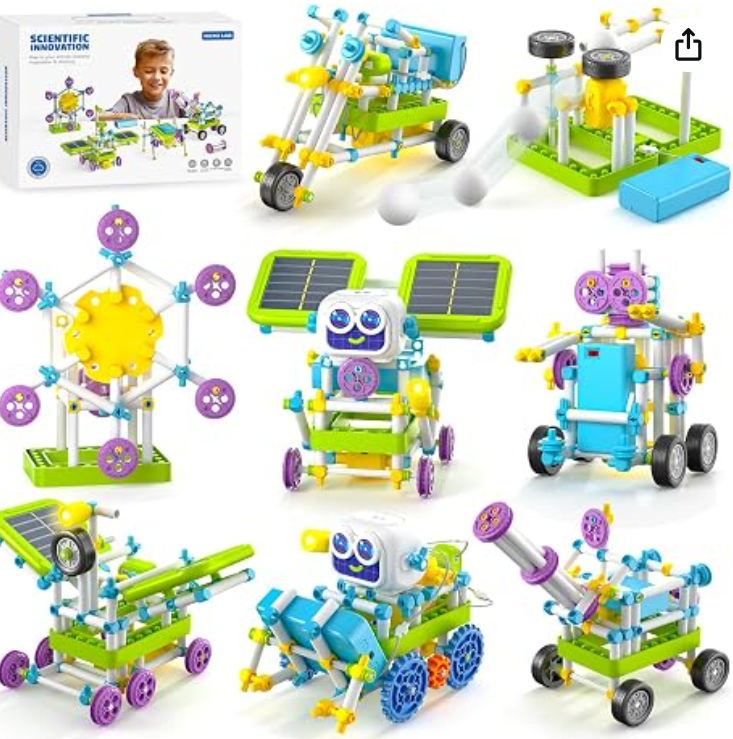
Play significantly enhances student performance during early childhood, fostering both creativity and imagination. When children engage in play, they do more than just enjoy an activity; they develop critical thinking skills and gain a deeper understanding of the world around them. Furthermore, incorporating play into the school day helps students relax and feel excited about learning. By balancing academic tasks with interactive play, students have the opportunity to unwind, supporting their overall mental and physical well-being.
What are effective ways for children to play? During early childhood, children are introduced to a variety of tangible items that they can handle and explore. Common toys found in a classroom include musical instruments such as drums, pianos, flutes, and toy guitars. They also have gardening supplies such as plastic shovels, buckets, fake plants, and sand, which help them understand the planting process.
Additionally, children develop cognitive skills during this period by sorting and organizing items when they clean up and put things away at the end of the day. They also learn about collaboration and socialization by playing with friends and classmates. This is a vital learning development for any child growing up. When they were introduced to a variety of early childhood classroom activities during play, they were not only developing cognitive skills but also establishing friendly social manners.
Playing with anyone's perspective could mean giving children tangible toys they can throw and squeeze, but playing in accordance with a pedagogical perspective on teaching involves a systematic, organized approach that allows children to think for themselves while also helping them develop their cognitive skills and critical thinking.
How do we provide playful learning that effectively develops students' intellectual skills in a friendly manner? According to NAEYC's peer-reviewed journal on early childhood learning, playful learning should focus on children's instructional materials while playing, through free play, guided by the teacher, or in a structured game. By allowing children to play in line with this principle, teachers channel their curiosity into exploration, problem-solving, and meaningful activities with other children, thereby helping them achieve their learning potential and develop social skills (NAEYC, 2022).
Can strategic play be applied at home? It is advisable for children not only to focus on paper-and-pencil learning but also to have time at home to unwind by playing and using their critical-thinking skills. When we hear that kids start developing programming skills at an early age, it does not mean they were engrossed in playing video games; they are learning to code while navigating different mazes and goals in the game. When they build LEGO sets and create art representations of their surroundings, children are learning strategic ways to enhance their abilities, interests, and skills. Of course, everything has to be balanced and in moderation. They need time to develop many skills while strategically learning to conceptualize ideas at school and playing at home. These are important skills they need to master in life because they support their development and help them focus on their lifelong interests. Their individual talents are harnessed by exposing them to a variety of learning tools and strategies throughout life, guided by parents and supported by their educational institutions, which will shape their professional growth and careers.
References:
NAEYC (2022). The Power of Playful Learning in the Early Childhood Setting. What is Playful Learning? From https://www.naeyc.org/resources/pubs/yc/summer2022/power-playful-learning.


The Proven 3-Step Framework to Motivate Students Without Rewards
"Train up a child in the way he should go: and when he is old, he will not depart from it." : Proverbs 22:6
As educators and parents, we often find ourselves in a "sugar-coated" trap. When a student struggles to finish a math worksheet or lacks the drive to read a single chapter, our first instinct is often to offer a gummy bear, a sticker, or five extra minutes of screen time. We want results, and we want them now! But as Mr. Catoera's often says, "Success is a journey, not a destination. It requires constant effort, vigilance, and reevaluation."
If we rely solely on "if-then" rewards, we aren't building a student; we’re building a consumer. The truth is that when the candy runs out, the motivation often disappears with it. Recent research in the Jurnal Inovasi Pendidikan dan Pengajaran highlights this delicate balance: while extrinsic rewards account for about 32.63% of the variance in learning motivation, intrinsic rewards actually lead the way at 34.21%. That small percentage difference represents a massive shift in how a child views their own potential. So, how do we tap into that internal engine? At Mr. Catoera’s Input, we believe in a holistic student development framework that prioritizes the heart and mind over the prize box.
Here is our proven 3-step framework to foster deep, lasting intrinsic motivation in your students.
1. Connect Through Authentic Relationships
Before a student cares about the curriculum, they need to know that you care about them. Motivation is rooted in a sense of belonging. If a child feels like "just another number" in a sea of desks, their survival instinct stays on high alert, leaving very little room for academic curiosity.
Build the Bridge. Start every day with a genuine connection. This isn't just about "good morning." It’s about noticing the small things: a new drawing on their folder, a tired look in their eyes, or an excited story about a weekend soccer game. When students know their teacher or parent understands their world, they are far more willing to take academic risks. Explore our community insights: We often share stories of transformation on our discussion board, where educators from all walks of life share how simple relationship-building changed their classroom culture. Use Specific Language. Instead of vague praise like "Good job!", try reinforcing language. Say, "I noticed how you stayed focused on that difficult problem even when it got frustrating." This shifts the focus from the outcome (the grade) to the process (the effort).
2. Empower Through Autonomy and Voice
Think about the last time you were forced to do a task exactly one way, with no input. Did you feel inspired? Probably not! Students are no different. One of the most powerful strategies for motivating students is giving them a "seat at the table." Scout for Choice. Give students choices in how they learn and how they demonstrate that learning. For a history project, could they write an essay, record a podcast, or draw a detailed map? When a student chooses their path, they take ownership of the destination. Request a new perspective: Check out our curated educational resources, including tools like the IXL program, that help students track their progress and choose areas of focus! Co-Create the Rules. Instead of handing down a list of "thou shalt nots," involve your students in creating the classroom or home learning expectations. When they help build the boundaries, they are much more motivated to respect them. This is a core pillar of holistic student development.
3. Celebrate Mastery and Purpose
The final step is moving away from "completion" and toward "mastery." A student who finishes a task just to be "done" hasn't actually learned; they've just performed. We want to celebrate the struggle and the growth. Design a Wall of Pride. Instead of a "Wall of A's," create a "Wall of Pride." Let students choose one piece of work each week that they are proud of: not because it’s perfect, but because they worked hard on it. Connect to the Real World
Learning feels like a chore when it feels useless. If you're teaching decimals, let them calculate the tax on a new smartwatch from our shop. If they're learning about geology, let them explore the properties of a lava stone bracelet. When the work has a real-world anchor, the motivation becomes natural! Integrating Incentive Products Wisely. You might be wondering: "If intrinsic motivation is the goal, why does Mr. C's Input sell incentive products?"
It’s a great question! We believe there is a massive difference between bribery and celebration.
-
Bribery: "If you finish this, I'll give you a toy." (Focuses on the toy).
-
Celebration: "You worked so hard to master those multiplication tables. Let's celebrate that milestone with something special!" (Focuses on the achievement).
Our all-products category features items designed to spark interest and reward the learning journey. For example, a retro handheld video game console can be a fantastic way to celebrate a long-term goal, like finishing a difficult reading list. Make the Shift Today! Moving away from constant rewards takes patience. You might see a temporary dip in "compliance" as students adjust to the new expectations. But stick with it! The result is a student who doesn't just work for a piece of candy, but for the thrill of knowing more than they did yesterday. Browse our shop: Ready to find the perfect tool to celebrate your student’s next big win?
Explore our full collection here!
At Mr. Catoera’s Input, we are committed to providing you with the insights and tools you need to make the challenging journey of teaching and learning more rewarding. Let's build a future where every student is driven by their own curiosity and character!
Affiliate Disclosure: Franchelle L.L.C. (Mr. Catoera's Input) participates in various affiliate marketing programs. We may earn commissions on products purchased through our links, which helps us continue providing free educational resources for our community.

"Train up a child in the way he should go, and when he is old he will not depart from it." : Proverbs 22:6
Helping your child with homework should be a bridge to their success, not a source of family friction. Yet, for many of us, the evening routine feels more like a battlefield than a learning opportunity. Did you know that 56% of students identify homework as a primary source of stress? It’s a staggering number that affects the whole household. At Mr. Catoera's Input, we believe that education is a collaborative journey. When parents are effectively involved, research shows that students are 15% more likely to receive A grades and can see a 25% improvement in math scores by the time they reach middle school!
If you've been feeling the "homework headache," you aren't alone. We’ve all been there: trying to help and accidentally making things harder.
Here are five common mistakes parents make, along with practical steps to fix them today.
Mistake 1: Doing the Work for Them
It starts innocently. You’re in a rush, your child is frustrated, and you just want to get the worksheet done. However, when we provide the answers or finish the project, we rob our children of the chance to learn. The Education Endowment Foundation notes that effective parental engagement can boost a child’s progress by about four months of additional learning in a year, but that progress only happens when the child does the thinking!
Explore Guiding Questions. Instead of giving the answer, ask: "What could you try next?" or "Where in your book did the teacher show an example of this?" Shift your role from "Answer Key" to "Consultant." Let them struggle a little: it’s where the growth happens!
Mistake 2: Hovering and Micromanaging
Are you sitting over their shoulder, correcting every pencil stroke? This "hovering" often increases a child's anxiety. Studies show that a clear majority of parents report significant worry or stress regarding their child's performance, but micromanaging actually reduces a child's internal motivation.
Scout a Better Support Strategy. Set them up for success and then back off. Use a "check-in" method. Stay nearby: perhaps reading your own book or catching up on emails, but let them work independently for 15-minute blocks. This builds the resilience they need to tackle challenges on their own!
Mistake 3: Lacking a Consistent Workspace
Homework happening at the kitchen table during dinner prep or in front of the TV is a recipe for distraction. When the environment is chaotic, focus disappears. A cluttered space leads to a cluttered mind, making even simple tasks feel insurmountable.
Navigate to a Quiet Corner. Create a dedicated homework station. It doesn't need to be fancy: just quiet and stocked with the right tools. We recommend putting together a "homework kit," so your student never has to stop their flow to hunt for a pencil or a ruler.
Mistake 4: Criticizing Assignments or Teachers
We’ve all seen a math problem that made us roll our eyes. But when we complain about the "pointless" work or the "too-hard" teacher in front of our kids, we undermine their respect for the learning process. If a parent is negative, the student is far more likely to resist the work.
Request a Teacher Conference. If the workload is truly excessive, remember: students who spend more than two hours per night on homework report significantly higher stress; take it to the source. Speak with the teacher privately. At Mr. Catoera's Input, we advocate for collaborative professional development and strong home-school partnerships. Modeling respect for the educator teaches your child how to handle professional relationships with grace!
Mistake 5: Focusing Only on Perfection
If the first thing you ask is "What grade did you get?" rather than "What did you learn today?", you might be fostering a "fixed mindset." When children fear making mistakes, they stop taking the creative risks necessary for true academic growth.
Discover the Power of Incentives. Shift the focus to effort and progress. Celebrate the small wins! Whether it’s mastering a new concept or simply finishing a difficult week of assignments, positive reinforcement works wonders. We offer a variety of customized incentive products designed specifically to motivate students and make the learning journey rewarding!
Transform Your Homework Routine
Helping with homework doesn't have to be a source of stress. By making these small shifts, you are doing more than just helping with a math sheet: you are building a foundation of lifelong learning and confidence!
Ready to boost your student's motivation?
-
Browse our full catalog of educational products
-
Check out our curated learning solutions and recommendations, such as the IXL program.
Affiliate Disclosure: Some of the resources mentioned, such as the IXL program and Amazon, may be links that provide a small commission to our platform at no extra cost to you, helping us continue to provide free educational content for families.
